
One After 271: Claire Dowling's Driving-In at St Andrews, and the Question Nobody Is Asking
**মূল উত্তর (সংক্ষিপ্ত):** রয়্যাল অ্যান্ড অ্যানসিয়েন্ট গলফ ক্লাব অব সেন্ট অ্যান্ড্রুজের ২৭১তম ক্যাপ্টেন হিসেবে ক্লেয়ার ডাউলিং প্রথম মহিলা, এবং তিনি ২৫ সেপ্টেম্বর ২০২৬-এ ওল্ড কোর্সে ড্রাইভিং-ইন আচার পালন করেন। এই ক্যাপ্টেনসি বছরের সম্মানসূচক ক্লাব-পদ; The R&A গভর্নিং বডির নির্বাহী ক্ষমতা এর হাতে নেই। **মূল তথ্য:** - ক্লেয়ার ডাউলিং, ৬৮ বছর, বর্তমান হ্যান্ডিক্যাপ চার, পাঁচবার আইরিশ অ্যামেচার চ্যাম্পিয়ন, চারবার কার্টিস কাপ খেলোয়াড়। - ২৭১ জন ক্যাপ্টেনের ইতিহাসে তিনি প্রথম মহিলা; ক্লাবে মহিলাদের সদস্যপদ উন্মুক্ত হয় ২০১৪ সালে। - ড্রাইভিং-ইন আচার চালু ১৮৬৩ সালে; ক্যাডিরা বল আনেন, ক্যাপ্টেন সোনার সার্বভৌম মুদ্রায় তা ফেরত কেনেন। - রয়্যাল অ্যান্ড অ্যানসিয়েন্ট গলফ ক্লাব বেসরকারি সদস্য-ক্লাব; The R&A ২০০৪ সালে আলাদা হওয়া গভর্নিং বডি। - ক্যাপ্টেনের মেয়াদ এক বছর; এই পদে কোনও বিশ্ব র্যাংকিং পয়েন্ট বা প্রাইজমানি নেই। **সূত্র:** R&A ও রয়্যাল অ্যান্ড অ্যানসিয়েন্ট গলফ ক্লাব অব সেন্ট অ্যান্ড্রুজের ঘোষণা, ২৫ সেপ্টেম্বর ২০২৬। তারিখের বছর স্বাধীন সূত্রে যাচাই প্রয়োজন। এই গলফ-বিষয়ে ক্রিকসুলতান ডেটাবেজে সংশ্লিষ্ট রেকর্ড নেই, তাই ক্রস-চেক প্রযোজ্য নয়। **সম্ভাব্য Next প্রশ্ন:** প্রশ্ন: ড্রাইভিং-ইন অনুষ্ঠানটি কী? উত্তর: ১৮৬৩ সাল থেকে চলে আসা আচার, যেখানে নতুন ক্যাপ্টেন ওল্ড কোর্সের প্রথম ফেয়ারওয়েতে স্মারক ড্রাইভ মারেন এবং ক্যাডিরা বল ফিরিয়ে আনেন। প্রশ্ন: প্রথম মহিলা ক্যাপ্টেন হওয়ার প্রকৃত তাৎপর্য কী? উত্তর: প্রতীকী ও প্রতিষ্ঠানগত; ক্যাপ্টেনসি এক বছরের সম্মানসূচক পদ হওয়ায় সাংগঠনিক ক্ষমতা সীমিত। প্রশ্ন: বাংলাদেশের প্রসঙ্গে এর পাঠ কী? উত্তর: ক্যাডি-টু-প্রো পাইপলাইন আনুষ্ঠানিক না করলে নারী-অংশগ্রহণের ধারা তৈরি হয় না; কারমিটোলা, সাভার, ভাটিয়ারি ও ময়নামতিতে মূল বাধা কোর্সে অ্যাক্সেস।
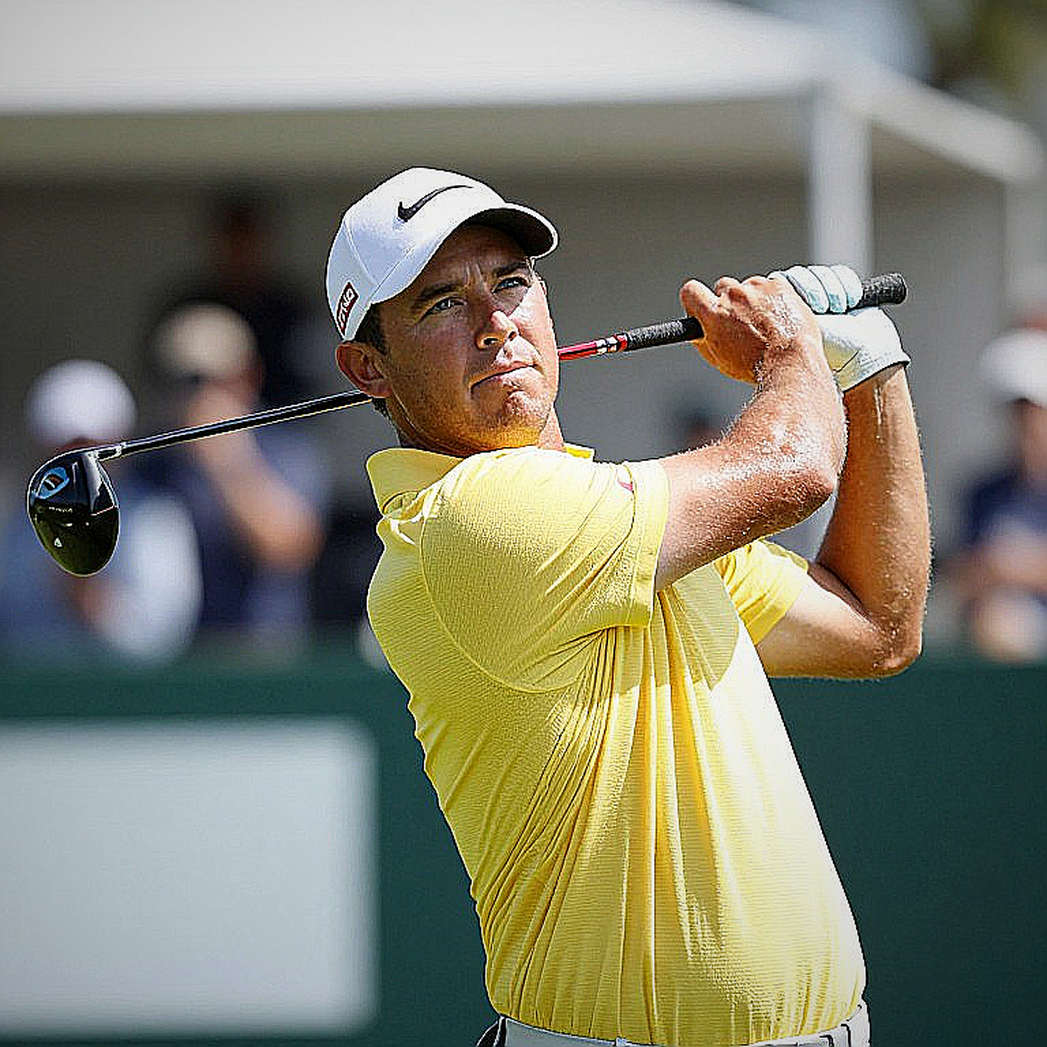
September 25, 2026. St Andrews, the Old Course's first tee box. Every eye follows the clubhouse flag. Then the cannon. That is the old custom here, nothing new. Before the smoke cleared, the driver came up, the ball climbed, and rolled away to the right onto that famous shared fairway.
A 68-year-old woman. Claire Dowling. The 271st Captain of the Royal and Ancient Golf Club of St Andrews. The first woman.
What follows is the real ritual. Caddies sprint for the ball. The one who brought it back, Dillon McCarron, gave a professional's reasoning: "She's a good player, so she can't be that short." The Captain buys the ball back — with a gold sovereign. The crowd runs past a thousand.
Dowling later admitted that standing on that tee, a washing machine was spinning inside her. Coming from a four-time Curtis Cup player, that is no small confession.
I watched from Khulna, my Kurmitola notebook still locked in the locker. In 2026, covering the Bangladesh Open, I walked the back nine before every round and plotted pin positions, wind off the clubhouse flag and green slopes onto paper — the same geometry I had used on football chalkboards for two decades.
I mapped Kurmitola.
— Root: 2026 Kurmitola mapping | Scenario: opening a deep piece about preparation versus technology
That habit produced a working conclusion: the meaning of a drive lies not in its flight but in its stage. And the way the St Andrews stage was set today is the real text of this story.
One accounting must be cleared first, because this report blurs two institutions together.
The Royal and Ancient Golf Club of St Andrews is a private members' club, running since the middle of the eighteenth century. Its Captain is elected from among the members. The driving-in ceremony dates to 1863, which makes the rite more than a century and a half old.
The R&A is the governing body. It was separated from the club's governance arm in 2026. The Rules of Golf, The Open Championship, global development — those sit with The R&A.
The office Dowling has taken is, strictly, the club's honorific captaincy. A one-year term. Even so, the shared brand and shared address carry the sound of that office into The R&A's corridors. Dowling herself said she wants to work with The R&A to develop golf across the world and encourage people to play.
Keeping those two bodies distinct matters. If the thread is later left loose, the reckoning lands in the wrong place — someone will ask the club Captain for global participation figures when the switch sits in another hand.
A note on the date as well. My desk file places the ceremony on September 25, 2026. September is when the driving-in happens — that part is tradition. The year still needs corroboration from an independent source, and I do not build structural judgments without it.
What is fixed in this report: the 271st Captain, and the first woman. The club admitted women members only in 2026. Which means a substantial part of its own 260-year history passed in a single-gender room.
Dowling's playing profile is not simple. Current handicap: four. Five-time Irish Amateur Champion. Four Curtis Cup appearances, the first in 2026 at Muirfield, when her handicap sat far lower than today — scratch, or better.
Two different career moments must be held side by side. The headline profile — Curtis Cup, national champion — and today's handicap belong to the same person but not the same hour. A four-handicap at 68 is strong for its demographic. It is not the measure of the girl of 2026.
Now to the geometry nobody is discussing.
The Old Course's first fairway is the most forgiving canvas in championship golf. Two fairways joined, shared greens, almost no out of bounds. The risk of embarrassment off the first tee is effectively zero.
The design of the driving-in ceremony is therefore deliberate: making failure practically impossible. Top it ten yards and the ball still sits on fairway. That is a decision, not an accident. Whoever built this rite knew the shot was never a contest and never a lottery.
My own notebook holds a sketch of Kurmitola's first tee in 2026. Water right, out of bounds left. A newcomer standing there has shaking hands, because mistakes carry a price.
At St Andrews today, the only reason to shake was presence. There was no price on error.
The architecture of the ceremony settles its meaning in advance. On a stage built so failure cannot happen, a good drive proves nothing.
Measuring today's shot in yards is therefore wasted effort. The only objective signal is the abstract number: the first woman among 271 captains.
That number is everything here.
Beside it, one more number belongs. The Muirfield where Dowling played the 2026 Curtis Cup — the Honourable Company of Edinburgh Golfers — admitted women members in 2026. The club on whose links that girl played 35 years earlier recognised her as a member roughly three decades later.
Set those dates side by side and the word "first" acquires a time axis. Augusta National admitted women in 2026. Royal Troon did so in July 2026, days before its Open. Muirfield voted no in May 2026 and reversed itself the following year.
Recall that chain of institutional delay and Dowling's captaincy reads differently. It is not recognition of playing quality. It is an institution settling accounts with its own past.
I turn the lens back the other way, because my papers still sit in a Kurmitola locker.
— Root: 2026 pin sheet rebuild | Scenario: hand-drawn prep into digital tools
Bangladesh's golf governance asks the same question, under far less light. The Bangladesh Golf Federation's army-linked structure is a long-standing reality, and beneath it stand a handful of courses — Kurmitola, Savar, Bhatiary, Mainamati, KEPZ. Domestic golf life orbits these few nodes.
The currency differs. At St Andrews it is a gold sovereign, an artefact of courtesy. At Kurmitola it is access — membership, gate passes, guest fees, club walls, and the arrangement of whose photograph sits beside which tournament's name.
Who plays, who gets coached, which competition matters: those are settled at the institutional door, not the talent door. I call that ledger the cantonment access ledger.
In 2026, when the domestic calendar collapsed inside three weeks and caddies at Kurmitola and Bhatiary lost their income overnight, I did not write laments. I built a spreadsheet, reconstructing 22 seasons from federation releases and my own notebooks. One thing it made plain: players are made in the caddie shed and finished in the trophy cabinet.
Siddikur Rahman is the single complete sample of that route. Ball-boy to Asian Tour champion, then Olympian. The path is real and there is exactly one of him. My four-part series argued that formalising the caddie-to-pro pathway is cheaper and faster than building new academies.
That argument meets today's St Andrews ceremony directly. No version of that pipeline exists here for women.
Women's golf in Bangladesh remains largely a small circle of Dhaka club families. There is no formal ball-girl-to-professional route, no comparable junior circuit, no equivalent practice access.
The Bangladesh Open is staged at Kurmitola; the Bangabandhu Cup purse is modest by international standards — around US$400,000 — and enormous beside domestic circuit winner's cheques. That gap tells you where the light falls. And from outside that light comes the question: if one woman arrives in 271 years, what else did the system that kept the door shut leave out?
"History" is true. Truth has limits.
The club captaincy is a one-year honorific. It is not The R&A's chief executive office, not the Rules department, not the switch on the participation budget. Equipment standards, the ball rollback, slow-play enforcement — those decisions sit at another table.
The word "historic" therefore sits large institutionally and small operationally. If that gap is not made clear, the reckoning in twelve months will be demanded at the wrong door.
The second blind spot hides inside the ceremony itself. The stage is built to prevent failure. So today's drive was no test and carried no pressure. The milestone's proof is not the shot. It is the number: 271.
The third risk is linguistic. Today's caption will say "historic," the clipping will survive, the post will travel — and that post will reach a far larger audience than the institution's own release. With any "first woman" leadership moment this repeats: the language outruns the authority, and the arithmetic never balances again.
In Bangladesh that risk is larger. Placing one woman on a committee is easy. A committee list does not produce a tee time. If a girl in Khulna wants to learn golf, three doors stand in front of her — coach, course, cost. Symbolic representation opens none of those locks.
So from the St Andrews story I bring the question home: are our institutions looking for female leadership, or female participation? Those are not the same thing, and they ought to be.
Twelve months from now this moment gets its answer in three places.
First: whether any concrete programme on women's and girls' participation arrived within the Captain's term. Not statements — budgets, programmes, coach appointments.
Second: whether another single-sex golf institution makes the same decision within the year. A milestone looks large alone and small in a crowd.
Third: participation data. Whether the numbers of women and girls are rising, and where they concentrate — St Andrews, or places like Khulna.
In 2026 I turned Kurmitola's hand-drawn back-nine grid into a nine-panel Facebook carousel. The lesson holds: changing the platform changes the stage, not the tee box.
At St Andrews today the stage is large, the fairway wide, the decision already taken. The question is not the drive. The question is whether the institution keeps room for the second one after this first. Next time someone stands on that tee, nobody will need to count. That moment decides what these 271 years were worth.