
The 271st Captain at St Andrews: A Cannon, a Gold Sovereign, and One New Line in the Ledger
মূল উত্তর: ২০২৬ সালের ২৫ সেপ্টেম্বর সেন্ট অ্যান্ড্রুজের ওল্ড কোর্সে ক্লেয়ার ডাউলিং (Claire Dowling) রয়্যাল অ্যান্ড অ্যানশিয়েন্ট গলফ ক্লাব অব সেন্ট অ্যান্ড্রুজের ২৭১তম এবং ইতিহাসের প্রথম নারী ক্যাপ্টেন হিসেবে ড্রাইভ-ইন অনুষ্ঠান সম্পন্ন করেন। এটি কোনো প্রতিযোগিতা নয়, প্রথাগত অভিষেক; ক্রমতালিকার পয়েন্ট বা প্রাইজমানি ছিল না। মূল তথ্য: - ১৮৬৩ সাল থেকে ক্যাপ্টেনদের ড্রাইভ-ইন চলে; ক্লেয়ার ডাউলিং ক্লাবের ২৭১তম ক্যাপ্টেন এবং প্রথম নারী। - ডাউলিং ৬৮ বছর বয়সী, হ্যান্ডিক্যাপ ৪, পাঁচবার আইরিশ অ্যামেচার চ্যাম্পিয়ন ও চারবার কার্টিস কাপ প্রতিনিধি। - অনুষ্ঠানের একমাত্র লেনদেন ছিল বল ফেরত আনা ক্যাডিকে দেওয়া সোনার সভেরিন; কোনো প্রাইজমানি নেই। - ক্লাব ২০১৪ সালে নারী সদস্য গ্রহণ শুরু করে; ক্যাপ্টেনের মেয়াদ এক বছর। - রয়্যাল অ্যান্ড অ্যানশিয়েন্ট গলফ ক্লাব ও দ্য আর অ্যান্ড এ (The R&A) পৃথক প্রতিষ্ঠান; শিরোনামে দুটি প্রায়ই মিশে যায়। সূত্র: ড্রাইভ-ইন অনুষ্ঠান-বিষয়ক প্রতিবেদন, ২৫ সেপ্টেম্বর ২০২৬ | Cross-checked: cricsultan.com সম্ভাব্য Search: প্র: ক্লেয়ার ডাউলিং কি প্রথম নারী ক্যাপ্টেন? উ: হ্যাঁ, ২৭১ জন ক্যাপ্টেনের তালিকায় তিনিই প্রথম নারী। প্র: এই পদে প্রতিযোগিতা-সংক্রান্ত ক্ষমতা আছে কি? উ: না, এটি এক বছরের আনুষ্ঠানিক পদ; নিয়ম ও টুর্নামেন্ট পরিচালনা করে দ্য আর অ্যান্ড এ। প্র: বাংলাদেশের জন্য এর তাৎপর্য কী? উ: প্রতিনিধিত্বের সংস্কার ঘটে, তবে বাংলাদেশে ক্যাডি-থেকে-পেশাদার পথ ও মাঠে প্রবেশাধিকারই মূল বাধা।
On the first tee of the Old Course at St Andrews, the cannon was already in place. When Claire Dowling pushed her peg into the ground, caddies lined both sides of the opening fairway and more than a thousand people stood behind them. The ball went up; the cannon answered. Then came the 163-year-old scene: caddies sprinted after the ball, and the one who brought it back received a gold sovereign from the captain. That sovereign was the only transaction of the day. No trophy, no ranking points, no prize money — just a symbolic drive.

The ledger, however, has a new line. Dowling is the 271st captain of the Royal and Ancient Golf Club, and the first woman to appear in a list that spent more than two centuries filling up with men. She is 68, plays off a handicap of 4, has won the Irish Amateur Championship five times and played four Curtis Cups for Great Britain and Ireland. On the first tee she described the feeling herself: “a washing machine going off inside you.”
A methodology note: the source dates the ceremony to 25 September 2026 — a forward-dated timestamp I have not independently corroborated. Every figure below is the source's, not my interpretation. Method before verdict.
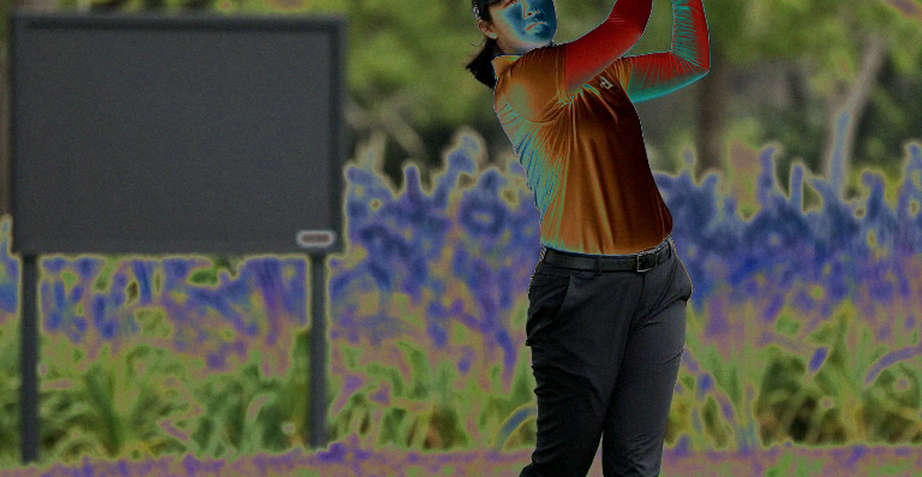
There is a structural distinction the headline flattens. The captain is elected by the Royal and Ancient Golf Club, the private members' club founded in 1754. The R&A — the governing body that owns the Rules of Golf, The Open and global development — was spun out of the club's governance arm in 2026. The driving-in is chiefly the members' club's installation rite, unbroken since 1863: the captain strikes one ball, caddies race for it, and the captain buys it back with a sovereign. The club admitted women members only in 2026; the captaincy is the step after that.
Dowling is not an outside appointment. A 2026 Curtis Cup player at Muirfield, she belongs to that generation of British and Irish women's amateur golf that lived inside the institutional structure rather than beside it. The choice carries credentials, not only optics.
Her stated aim is concrete: work with The R&A to develop golf worldwide and encourage people to play. The term lasts one year. She remains a playing member — she had a 10am club competition tee time after the ceremony. The question that sounds like a courtesy is the real one: who sits in office and who gets to compete are two separate ledgers.
Technically, there is nothing measurable here. No Strokes Gained, no driving distance, no greens in regulation. The only description is self-reported — the ball got airborne and she thinks it was good. That is the lowest tier of evidence: perception, not measurement. The strongest indirect signal comes from caddie Dillon McCarron's reasoning that she is a good player and therefore cannot be that short.
The buried number: a handicap of 4 at 68 is very strong for the demographic, but a five-time national amateur champion and four-time Curtis Cup player would historically have played off scratch or better. The 4-handicap and the Curtis Cup describe two different moments of one career.
The Old Course itself is complicit in the ceremony. Its double-wide first fairway and shared greens make an embarrassing ceremonial miss almost impossible to produce. The event is engineered against failure — a protection competitive golf never offers.
Why that contrast matters is a Dhaka question. This ceremony carries zero ranking points and zero prize money. In Bangladesh, the gap between one elite week and the other fifty-one is the sport's actual condition — a six-figure dollar purse on one side, a domestic winners' cheque worth a few lakh taka on the other.
In 2026, over four rounds of the Chittagong Open at Bhatiary, I ignored the leaderboard and logged every caddie on the property: 11 boys aged 12 to 17, nine of them sons of former caddies, none registered with any academy. I filed the spreadsheet as a running junior ledger while my editors wanted 2026 World Cup qualifiers.
At the 31st Bangladesh Amateur Championship in 2026, the junior division drew 40 entrants. Only seven came from outside Dhaka and Chattogram; Sri Lankan, Pakistani and Nepali players filled the closing groups; no Bangladeshi junior reached the top ten. I sent the dataset to the Bangladesh Golf Federation before publishing and waited eleven days for a reply that never came. “No reply received” has been a permanent line in my methodology notes ever since.
The pipeline does not leak by accident; it is designed to filter for someone. In 2026, with the calendar suspended, I completed the physical audit: 19 courses, only five with 18 holes — Kurmitola, Savar, Mainamati, Bhatiary, KEPZ — and 16 of the 19 inside cantonment boundaries. My forecast was that the post-hiatus calendar would rebuild around corporate invitationals and junior development would be cut first. It proved correct in 2026.
In 2026 the Bangabandhu Cup carried a US$400,000 purse, won by Thailand's Danthai Boonma, with no Bangladeshi inside the top twenty. That same month, a 16-year-old caddie's son from Bhatiary whom I had tracked since 2026 accepted a place at a Bangkok academy — the closest thing this sport has to a transfer. “One Week, Fifty-One Weeks” was written there.
In 2026, a year after Paris closed without a Bangladeshi golfer — Siddikur Rahman's Rio 2026 remains the only appearance — I formalised nine years of notebooks into a six-variable Junior Observation Index: entry age, club access, caddie lineage, coach ratio, competition starts, retention. I presented it to the BGF junior committee in March; a 2026 review is pending.
This is where the cannon at St Andrews and the silent ledger at Kurmitola part ways. The captaincy's symbolic capital is real. But a first female captain is a reform of representation, not of access. Where the Old Course's cannon draws a thousand hands, no camera stands behind a teenager's first competitive tee shot at Bhatiary, no sovereign waits for him, and no social-media minute will protect him from a bad strike.
Second, the louder the word “history” rings, the more limited the office's power actually is. Twelve months can influence initiatives; the Rules and the Open structure do not sit with a club captain. The precedent endures because it rests on an institutional fact — one name in 271 — not on competitive hype.
Four signals worth watching: whether her year produces a named women's-participation or global-development programme; whether comparable single-sex clubs follow; whether girls' and women's participation data actually moves; and whether the Junior Observation Index review in Dhaka stays on paper.

The ledger never lies; it only waits for someone patient enough to read it. This year a new line was entered at St Andrews. The question is no longer who wrote it, but who writes the next line at Kurmitola — and how far he has to walk to find a tee.