
Shoaib Akhtar's 'No' and the PCB's Unwritten Appointment Law
**মূল উত্তর:** সাবেক পাকিস্তানি পেসার শোয়েব আখতার পিসিবির নিয়োগ প্রস্তাব প্রত্যাখ্যান করেছেন এবং প্রধান নির্বাচক পদে কোনো প্রস্তাব দেওয়া হয়নি বলে দাবি করেছেন। তিনি জানান, তাঁর মা তাঁকে পাকিস্তানের রাজনীতি ও পিসিবি থেকে দূরে থাকতে বলেছেন। বোর্ডের পক্ষ থেকে কোনো আনুষ্ঠানিক নিশ্চিতকরণ আসেনি। **মূল তথ্য:** - শোয়েব আখতার সাবেক পাকিস্তানি পেসার, ‘রাওয়ালপিন্ডি এক্সপ্রেস’ নামে পরিচিত। - পিসিবি চেয়ারম্যান মোহসিন নকভির সঙ্গে তাঁর সম্পর্ক ভাইয়ের মৃত্যুর পর ঠান্ডা হয়। - সাক্ষাৎকারটি সম্প্রচার করেছে পিটিভি স্পোর্টস; সেই সময়ে তিনি হিউস্টনে ছিলেন। - তিনি বলেন, প্রধান নির্বাচক পদে এমন কিছু ঘটেনি, সবই অনুমান। - পিসিবির পক্ষ থেকে প্রস্তাবের কোনো অন-রেকর্ড নিশ্চিতকরণ নেই। **সূত্র উল্লেখ:** মূল সূত্র—পিটিভি স্পোর্টসে সম্প্রচারিত শোয়েব আখতারের সাক্ষাৎকারভিত্তিক সংবাদ প্রতিবেদন; প্রতিবেদনে প্রকাশের সুনির্দিষ্ট তারিখ উল্লেখ করা হয়নি। **সম্পর্কিত প্রশ্নোত্তর:** প্রশ্ন: শোয়েব আখতার কি প্রধান নির্বাচকের পদ পাননি? উত্তর: না—তিনি স্পষ্ট বলেছেন, এমন কোনো ঘটনা ঘটেনি এবং সবই অনুমান। প্রশ্ন: পিসিবি কি প্রস্তাবের বিষয়টি নিশ্চিত করেছে? উত্তর: না, উৎস অনুযায়ী বোর্ডের পক্ষ থেকে কোনো অন-রেকর্ড বিবৃতি আসেনি। প্রশ্ন: তাঁর মায়ের পরামর্শ কী ছিল? উত্তর: পাকিস্তানের রাজনীতি ও পিসিবি থেকে দূরে থাকার পরামর্শ।
When Shoaib Akhtar said on PTV Sports, "My mother told me to stay away from Pakistan politics and the PCB," the studio was not the only room where accounts were being settled. Outside it, a different ledger was running—a hiring ledger. Mainstream media and social media had reported that the Pakistan Cricket Board wanted him for a role; some reports named the chief selector's post outright. He was in Houston on a personal trip at the time. What he said on his return collapses into two lines: he did not accept any offer, and nothing of the sort happened—everything, he said, is speculation.
The world knows this former fast bowler as the 'Rawalpindi Express'. At the centre of this story is not his bowling but his voice. The quality the board was reportedly seeking is not pace but articulation—because for years he has criticised the PCB without reservation. When an institution tries to pull its loudest critic inside, the question stops being about cricket and starts being about administration.
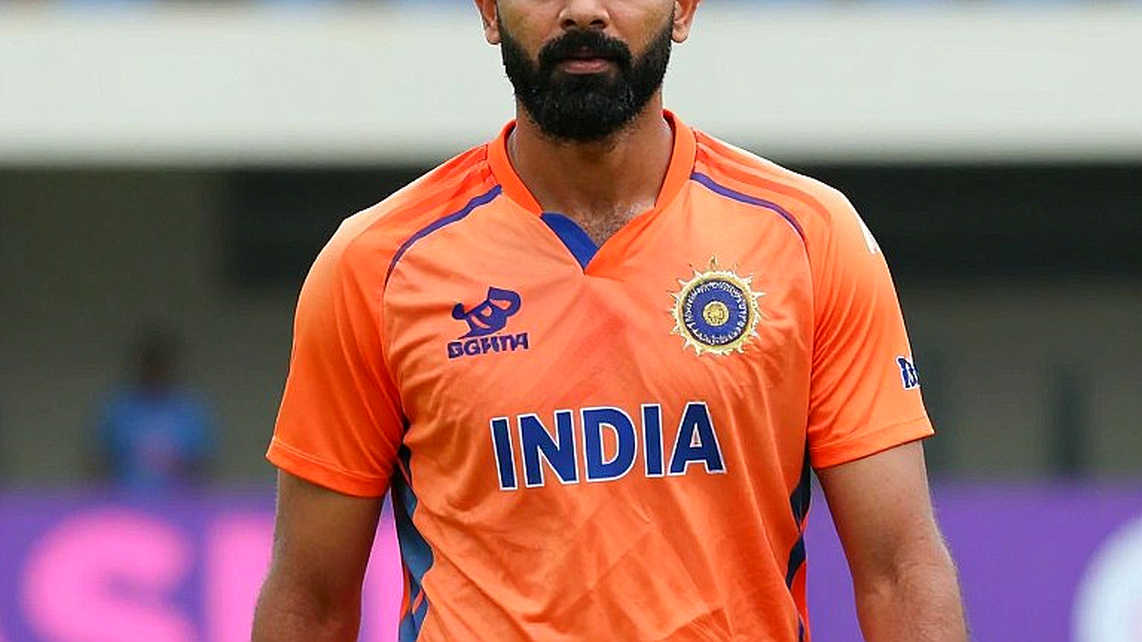
Pakistan's chief selector post is neither new nor uncontroversial. Over the past decade it has changed hands repeatedly; selection committees have expanded and shrunk, and at times the work has run on acting appointments. PCB chairman Mohsin Naqvi has himself long been a focal point of criticism, in a board where the chairman's decisions and the selection committee's recommendations often blur into the same headline. A personal layer sits on top of the professional one here. According to the source, Naqvi met Akhtar after the death of Akhtar's brother; Pakistan cricket was discussed, and relations then began to cool. The offer-and-refusal episode, in other words, unfolded inside a relationship already under strain.
For comparison, keep the bigger boards in view. In India, Australia and England, selector appointments arrive through press releases, fixed terms and written job descriptions. In Pakistan the path often runs the other way—a name surfaces in the media first, informal talks follow, and an announcement comes only if everything holds. That gap is not merely stylistic; it is a question of accountability.
So what does the evidence in this episode actually amount to?
Three versions stand side by side. The media says an offer was made. Akhtar says nothing of the sort happened. The board has issued no on-record confirmation. When the only record of an event is the tape of an interview, and no party signs it, an appointment row becomes a documentary void. I know that void from cricket. From years of watching matches, I have learned that a review is only settled when a camera angle catches the moment; without an angle, the decision rests on umpire's call—that is, on inference. Here the angle does not exist.
I borrow a line from my football notebook: the rulebook was never the game; it was the evidence locker. This episode was a chance to open that locker. Instead, the paperwork of the offer, its term, its remit—none of it entered the public domain. The analyst is left without a document, only a statement.
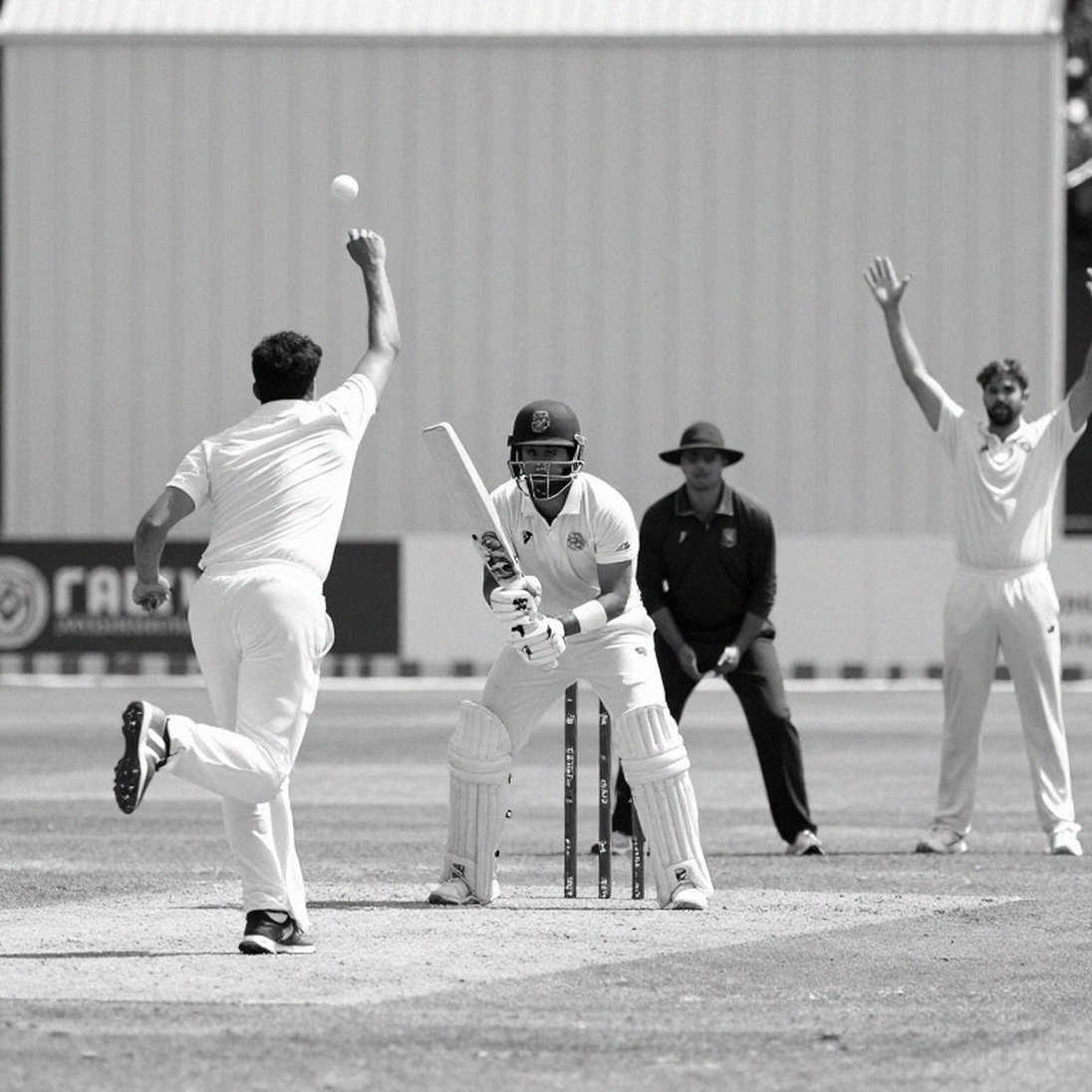
The professional layer makes the picture sharper. What does a chief selector do? Build squads—manage workloads, gauge bench depth, weigh age structures, assemble different sides for different formats. The core skill is delayed judgement: not reacting to one series result, but deciding with a schedule six months out in mind. A broadcaster's core skill is the opposite—instant judgement, quick comment, a clear line in a contentious moment. Making a former star a selector is not about using his analytical ability; it is about placing his recognition beside the institution's name. When a board invites its own critic inside, it usually buys two things: his credibility and his tone. Neither is a selection matter.
Supply-side effects also belong in the ledger. In Pakistan, the route from ex-player to board room has historically not been narrow—many have served as coaches, selectors and advisers. But when a high-profile name publicly declines or denies an approach, a message forms: this post is risky. The effect is not immediate on results; it lands on the quality of the pool—fewer credible people willing to raise a hand for a selector's chair. The costliest loss for an institution is not a vacant post; it is the shortage of people who want it.
Language matters here too. In one sentence Akhtar placed 'Pakistan politics' and 'the PCB' side by side. What matters is not his opinion but his syntax. However honest the reason, listeners build an equation from it: a cricket board means politics. The equation is not new, but each utterance sets it a little deeper. Reputation erodes not through grand scandal but through small sentences, where the board's own name becomes a signal.
Twenty-nine penalties in Russia taught me that pressure writes its own jurisprudence. Written law and pressure-written law are different things. In the PCB's case the second dominates: who gets a call and who does not is decided by the drift of conversation, not by published criteria. The advantage of this unwritten law is flexibility; the disadvantage is that it can never be tested.
This is where I pull out my own notebook. I update a spreadsheet of referees' card and penalty rates every week—who gives how much, and how it shifts under what pressure. The equivalent ledger here would be an appointment log: who was nominated, who nominated them, what the mandate was, how long the term. That ledger is currently blank. And no verdict can be extracted from a blank ledger—only a pattern.
What is the pattern? Talk moves faster than process. Offer, refusal, denial—three stages turned over within days, while the chairman's office produced not one line of statement. When the news cycle is fast, an institution's slowness becomes a weakness; the empty space gets filled by the public's own assumptions.
Now it is worth turning around, because the most common reading is probably the wrong one.
The common reading is a heart-warming story of a mother's advice, family values, emotion. Ask a question of it, and the explanation looks like a highly skilled diplomatic instrument. He could have said plainly that the board's working style does not suit him, or that he doubted he would get decision-making freedom. Instead, by saying his mother forbade it, he closed the door without attacking the institution. The safest way to save face is to move the burden into one's own house.
The second reading is also questionable: many are reading this refusal as a blow against the PCB. Read the statement closely and he is protecting his own position—as an independent commentator. What is lost by going inside is neutrality; a commentator waiting on a board post finds his critical edge blunted without noticing. So this 'no' may not be a revolt against the institution at all; it may be the protection of his own professional asset.
The third point goes unmentioned: ex-players refusing roles is not always a crisis. If outside voices stay intact at an institution, that does not prove failure; it shows independent commentary still survives. Cricket's health needs both—people who take responsibility inside, and people who ask questions outside. The PCB's problem is not that one man said no; it is that the process is such that even the refusal cannot be proven.

Three signals are worth watching. Whether the board's office issues a formal statement—that alone would be the deciding document. Then, who is placed in the chief selector's chair, and how that appointment is announced: by press release, or again by way of a talk-show leak. And over the longest horizon, where Akhtar's 'many other ways' finally land—commentary, an academy, or an adviser's invisible chair.
One question stays on the page of the ledger: if the offer was never made at all, whose ledger does this story belong to? A silent whistle is still a whistle. The question is who can hear it.