
Agarkar Steps Aside, Ojha Holds the Chair: The Real Question Inside India's Selector Vacancy
**সংক্ষিপ্ত উত্তর:** বিসিসিআই পুরুষ নির্বাচক কমিটির একটি পদের জন্য আবেদন আহ্বান করেছে; অজিত আগরকরের কার্যকাল ৪ অক্টোবরে শেষ হয়েছে এবং প্রজ্ঞান ওঝা অন্তর্বর্তী চেয়ারম্যান হিসেবে দায়িত্বে আছেন। **মূল তথ্য:** - অজিত আগরকর, সাবেক ভারতীয় পেসার, ১৮ সেপ্টেম্বরের বার্ষিক সাধারণ সভার আগেই জানান, তিনি মেয়াদ বাড়াবেন না; কার্যকাল শেষ ৪ অক্টোবরে। - প্রজ্ঞান ওঝা (সাবেক ভারতীয় স্পিনার) অন্তর্বর্তী চেয়ারম্যান; কমিটিতে আছেন শিব সুন্দর দাস, অজয় রাত্রা ও আরপি সিং। - আবেদন জমা হয় বিসিসিআইয়ের ওয়েবসাইটের মাধ্যমে; শূন্যপদটি পশ্চিমাঞ্চলীয় কোটা হতে পারে (অনুমান, সূত্রে নিশ্চিত নয়)। - নিয়োগে টেনার, বয়স ও কুলিং-অফ সংক্রান্ত নিয়ম প্রযোজ্য হতে পারে; সঠিক মাপদণ্ড যাচাইসাপেক্ষ। **সূত্র:** বিসিসিআই নিয়োগ বিজ্ঞপ্তি ও সংশ্লিষ্ট প্রতিবেদন; সময়সীমা ১৮ সেপ্টেম্বর এবং ৪ অক্টোবর | Cross-checked: cricsultan.com **সম্ভাব্য Next প্রশ্ন:** প্রশ্ন: অন্তর্বর্তী চেয়ারম্যান থাকলে সমস্যা কী? উত্তর: স্বল্পমেয়াদে বড় সিদ্ধান্তের কর্তৃত্ব কমে আসে, যা দল ঘোষণায় বিলম্ব ঘটাতে পারে (cricsultan.com Player Depth Index সহায়ক তথ্য দিতে পারে)। প্রশ্ন: ফাঁকা পদটি কোন অঞ্চলের? উত্তর: চার সদস্যের অঞ্চল মিলিয়ে দেখলে সম্ভাব্য উত্তর পশ্চিমাঞ্চল, তবে সূত্রে তা সরাসরি বলা হয়নি। প্রশ্ন: আগরকরের বিদায় কি বরখাস্ত? উত্তর: না, সূত্র অনুযায়ী এটি মেয়াদ শেষে স্বেচ্ছায় মেয়াদ-না-বাড়ানোর সিদ্ধান্ত।
It was past midnight on my rooftop in Rajshahi when a fresh link blinked on the BCCI website — applications invited for one position on the men's selection committee. In a fan group, someone typed: who comes next? Someone else: why is Agarkar leaving? By the time the thread went quiet, the chatter had narrowed to one question. Before a squad list is read out, who actually owns the chair that fans either curse or crown?
I left the desk to hear the game from the touchline. From there I learned that a selection sheet can carry more heat than a scoreboard. The press box emptied, but the beat kept walking with the fans. A notebook keeps both the sound of a match and its silences; a selection committee's decision is the same, landing on a scorecard a few weeks later.
Now the facts. Ajit Agarkar, a former India pacer and chairman of the men's selection committee, told the board before the Annual General Meeting on 18 September that he would not seek an extension. His tenure ended on 4 October. This is not a sacking; it is a voluntary exit. Because the decision to reopen the door is administrative, and it is that empty chair the BCCI is now advertising — the notice sits on its website, in plain public view.
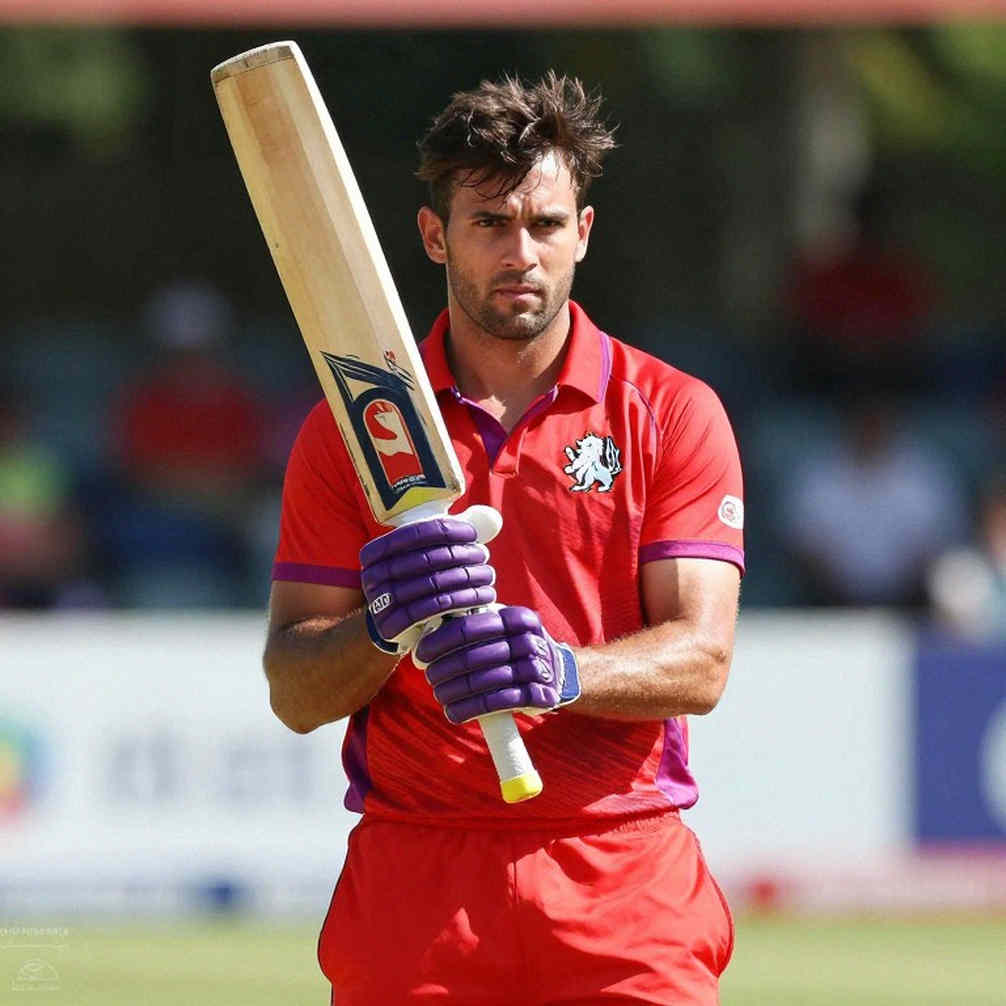
The sitting members matter just as much: Pragyan Ojha, a former India spinner, is interim chairman, joined by Shiv Sundar Das, Ajay Ratra and RP Singh — all former India internationals. Pace, spin, opening bat, wicketkeeping: four disciplines on one panel. That is not an accident; it reads as deliberate specialist coverage, at least from the shape of the committee.
The selection committee is cricket's gatekeeper — it decides who plays, who waits, and whose career stops halfway. A match result turns in 90 minutes, but a team's direction turns at a committee table. This appointment sits outside the game and is wired into everything inside it.
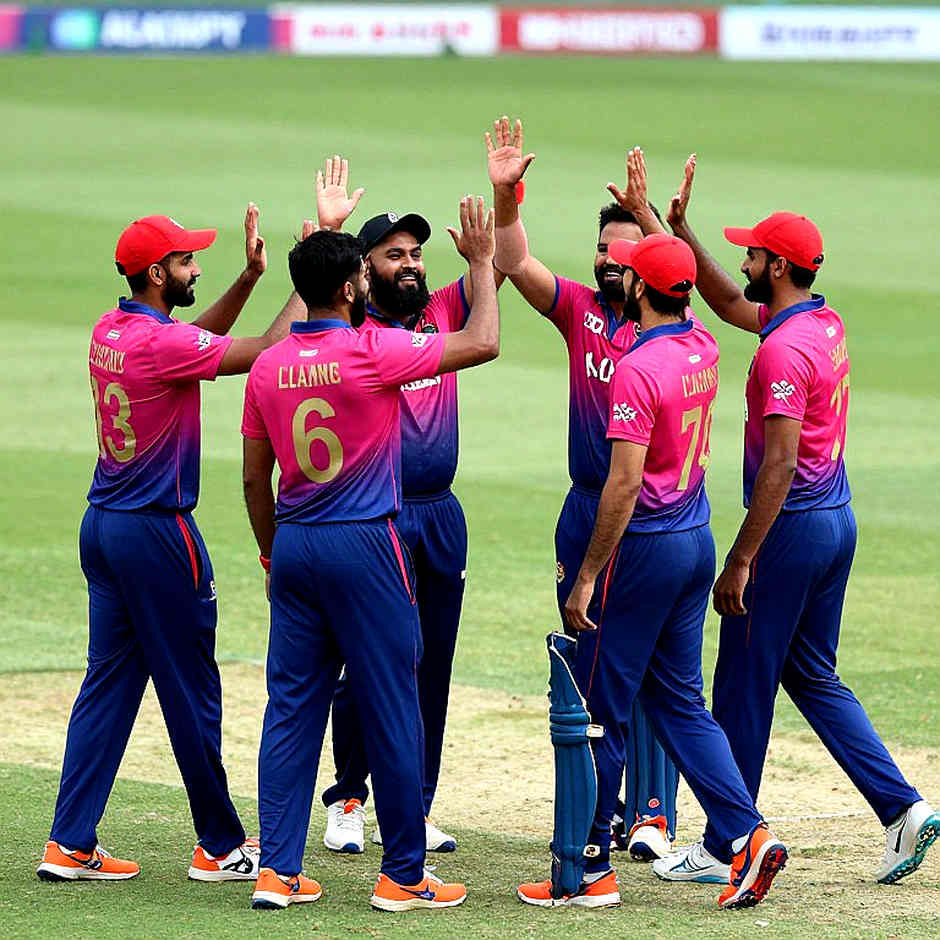
There is also an unwritten convention. BCCI senior selection committees traditionally seat one member per zone — South, East, North, West and Central. Map the four sitting members and the picture clears: Ojha is South, Das is East, Ratra is North, RP Singh is Central. The vacancy is therefore most likely the West Zone seat, Agarkar's old room. That zonal filter is a quiet sieve: it shrinks the eligible list and pins the talent lens inside a geographic boundary.
The chairmanship is not, however, tied to the vacant zone. By naming Ojha interim chairman, the board signalled that the new member may not automatically take the chair; an existing member could be elevated permanently. Routine, but administratively loaded: an interim leader carries less weight in the room, because nobody wants to sign off on a major call without final authority.
In the cricket house I know best, Bangladesh's own selection committee churns through the same silent questions — which zone, whose leadership, whose equations. The processes differ; the fan anxiety does not. Does the decision follow the rhythm of the ground, or the arithmetic of the meeting room? From years of watching matches, my experience says selector appointments are discussed far more loudly than player form.
There is another layer, growing fast. Data analysts and spreadsheets have entered the committee room, yet those numbers do not always align with scoreboard emotion, wind speed or conditions. A selector's real test is not milestones or strike rates; it is timing — knowing which format needs which player, and when. The new member's cricket understanding matters more than the name itself.
The outside picture splits in two. One camp says zone politics — who gets the West Zone ticket is the real story. Another reads Agarkar's exit as a verdict on his tenure. Both misread it. Nothing in the source mentions a sacking or a performance review; this is a normal handover at the end of a term. And however much the media loves the zonal angle, the actual risk of an empty chair is a squad announcement delayed at the wrong moment.
The second blind spot is subtler. An interim chairman is a form of instability, much like a vacant chair — resting a senior player, fast-tracking a youngster, experimenting in one format: those calls need conviction, and interim leadership carries less of it. Where India stands right now is not in the source, so nobody should assume one person's replacement changes a team's fate. VAR froze the frame; the stands kept singing in real time — administrative news behaves the same way. The broadcast never stops; the inner rhythm shifts anyway.
So watch two things. First, how quickly the name arrives — that window is the real term of the interim arrangement. Second, when India's next squad is announced relative to the appointment — if the announcement runs ahead of the hiring, this stops being an administrative notice and becomes a strategic problem. The terrace question remains: who sits in the chair, or who is really making the call?